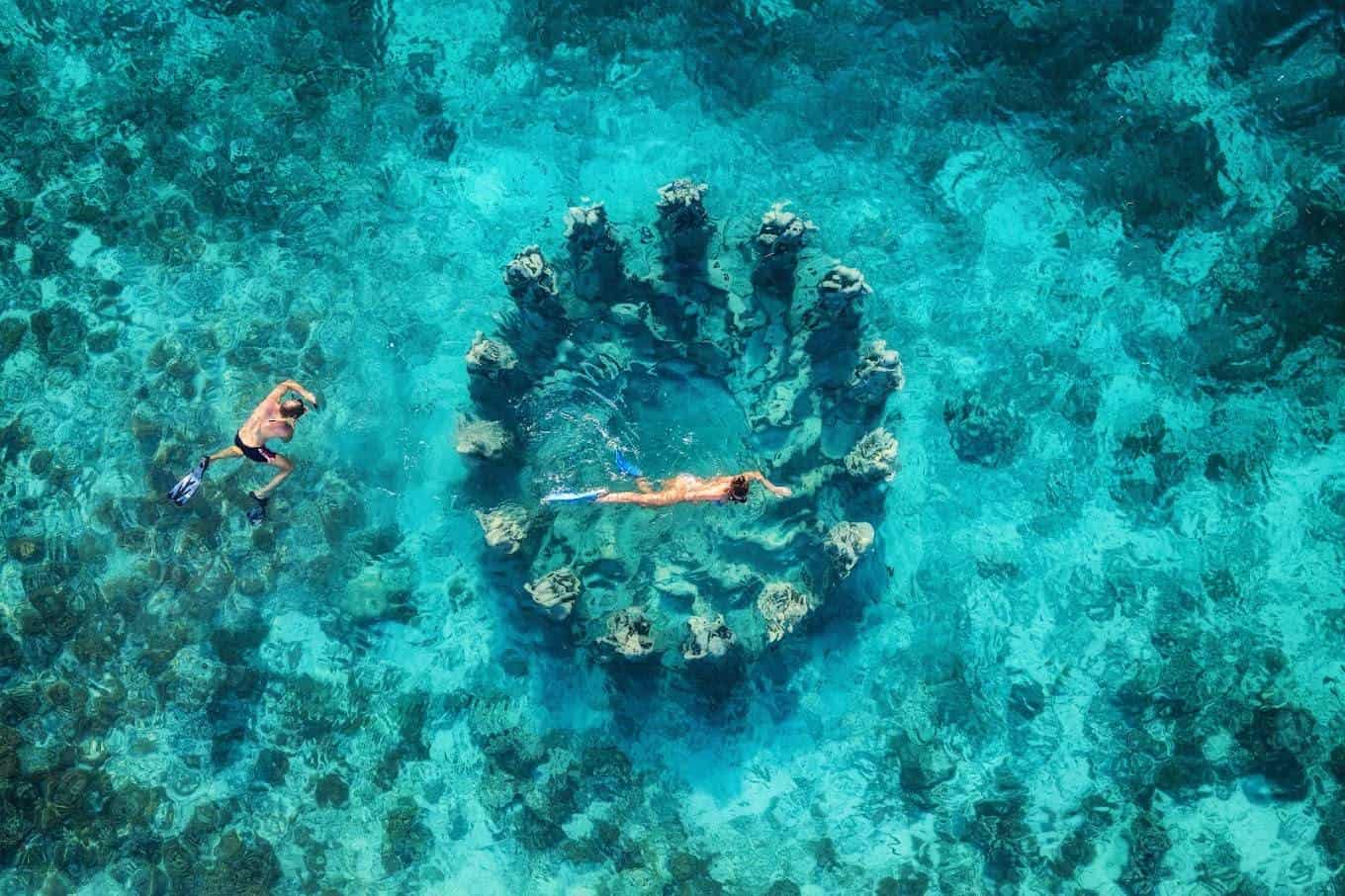
🌴 When Is the Best Time to Visit the Similan & Surin Islands (and Khao Lak)?
If Thailand’s turquoise waters and vibrant reefs are calling your name, chances are you’ve heard of the Similan and Surin Islands. Two of the country’s most spectacular marine parks.
These islands are pure paradise for divers and snorkelers alike: clear water, colorful coral gardens, and the possibility of swimming alongside manta rays or even a whale shark.
But timing is everything. The Similan and Surin Islands are not open year-round. And when you go can make all the difference between calm blue seas and stormy waves.
And since Khao Lak is the main jumping-off point for both island groups, let’s look at the best season to visit and what you can expect during each part of the year.
Quick answer: The best time to visit the Similan and Surin Islands is November to April, when both marine parks are open, the seas are calm and visibility runs about 25 to 30 meters. The parks open mid-October and close mid-May for the monsoon. For the clearest water choose November to February, and for the best chance of manta rays and whale sharks aim for March and April, when plankton blooms draw them to Koh Bon, Koh Tachai and Richelieu Rock. Khao Lak itself is open year-round but liveliest in high season.

🗓️ Season Overview
The Similan Islands National Park and Surin Islands National Park are open from mid-October to mid-May each year.
They close during the monsoon season (mid-May to mid-October) to protect the reefs and ensure safe conditions.
Khao Lak, on the other hand, is accessible year-round, but it truly comes alive during the high season (November–April) when the boat trips to the islands are running. Most people visit the Similan and Surin islands on daytrips or liveaboards. During high season, the sea is calm, visibility is fantastic, and the sun seems to shine every day.
🤿 Best Time for Diving and Snorkeling
- November – December:
The start of the season brings calm seas and incredible visibility. Often 25–30 meters underwater. The marine parks are fresh and vibrant after months of rest. It’s the perfect time for divers and snorkelers who want to enjoy crystal-clear conditions and fewer crowds. - January – February:
Peak season in Khao Lak and the islands. The weather is hot, dry, and stable, and both diving and snorkeling conditions are superb. Coral reefs are teeming with life, and the seas are flat and calm. - March – April:
This is the most exciting time for big-animal encounters! The water gets slightly warmer, bringing plankton blooms and with them come manta rays and whale sharks. Visibility might be a bit lower, but it’s a small price to pay for the chance to meet the ocean’s gentle giants.
In summary:
- 🫧 Best visibility: November–February
- 🐋 Best chance for mantas & whale sharks: March–April

🐠 Where You’ll See the Big Stuff
- Koh Bon & Koh Tachai (north of the Similans):
Famous manta cleaning stations. Divers often spot these graceful rays gliding effortlessly above the reefs between February and April. - Richelieu Rock (near the Surin Islands):
Thailand’s most iconic dive site and a magnet for whale sharks during plankton-rich months (March–April). Even without a whale shark, the soft corals and marine life here are simply mind-blowing.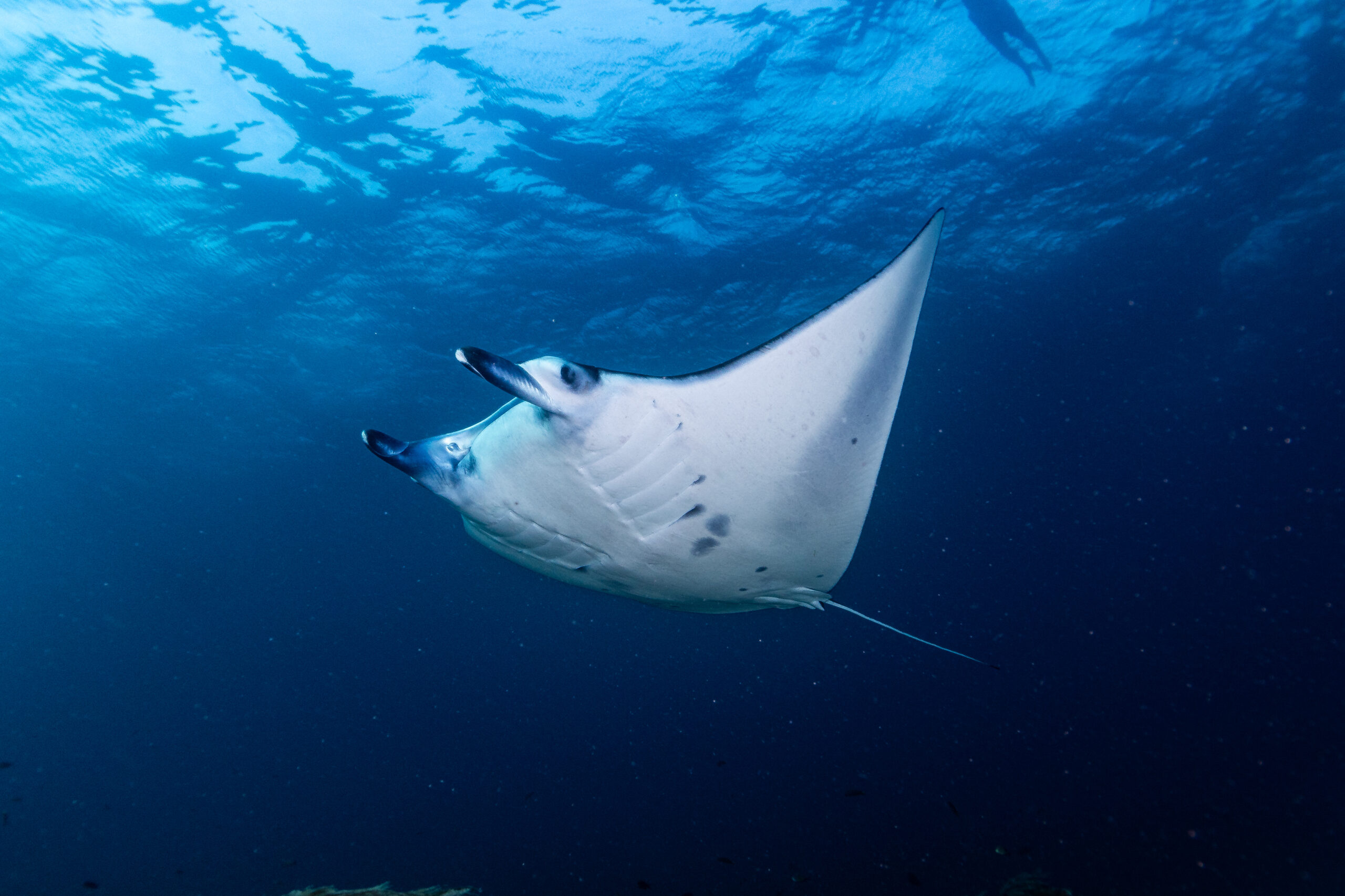

🌦️ What About the Low Season?
From mid-May to mid-October, both marine parks are officially closed to visitors.
Khao Lak itself becomes quieter, with fewer boats operating due to rough seas. This is the perfect time to explore inland waterfalls, national parks, or head further south to year-round destinations like Koh Tao.
Best Time to Visit FAQ
When are the Similan and Surin Islands open?
Both marine parks are open from mid-October to mid-May. They close during the monsoon, mid-May to mid-October, to protect the reefs and keep conditions safe.
What is the best month for diving visibility?
November to February brings the best visibility, often 25 to 30 meters, with calm, flat seas. January and February are peak season with hot, dry, stable weather and reefs full of life.
When is the best time to see manta rays and whale sharks?
March and April are the sweet spot. Warmer water brings plankton blooms that attract manta rays to Koh Bon and Koh Tachai and whale sharks to Richelieu Rock. Visibility can dip slightly in exchange for these encounters.
Can you visit Khao Lak in the low season?
Yes. Khao Lak is accessible year-round, but from mid-May to mid-October the marine parks are closed and fewer boats run. The low season is good for inland waterfalls and national parks, or heading south to year-round spots like Koh Tao.
☀️ Final Thoughts
If you’re planning a trip to Khao Lak, the Similan Islands, or the Surin Islands, aim for November to April.
That’s when the water is warm, clear, and inviting and all tours and liveaboards are in full swing.
For divers hoping to tick off manta rays and whale sharks, the sweet spot is March and April.
Whether you’re diving, snorkeling, or just island-hopping, this stretch of Thailand’s Andaman coast delivers everything you dream of: dazzling reefs, powdery white beaches, and endless shades of blue. Before you go, see exactly what marine life you can spot and the best dive sites in the area.
Ready to lock in your dates? Book a Similan day trip or message us on WhatsApp and we will match your trip to the best conditions.