Travel Bohol sustainably with simple eco-friendly tips: choose responsible dive shops, skip whale shark feeding, use reef-safe sunscreen, and support local businesses.
Eco-Friendly Travel in Bohol: How to Enjoy the Island Sustainably
Bohol is the kind of island that makes you fall in love at first sight. Crystal-clear water, coral gardens that look like underwater rainbows, tarsiers with eyes bigger than your future, and waterfalls straight out of your screensaver. It’s paradise, but even paradise needs a little help to stay that way.
Traveling responsibly here isn’t hard. In fact, it usually makes your trip even better. So here’s how to enjoy Bohol like a legend and leave it just as beautiful as you found it.
Quick answer: To travel Bohol sustainably, choose eco-friendly dive shops around Panglao and Anda that use mooring buoys and never feed or touch marine life, avoid whale shark feeding tours in favour of natural wild encounters, wear reef-safe mineral sunscreen with zinc oxide or titanium dioxide, carry a reusable bottle and skip single-use plastic, support locally owned guesthouses, restaurants and operators, and take all your rubbish with you while leaving shells on the beach.
Choose Eco-Friendly Dive Shops and Tours
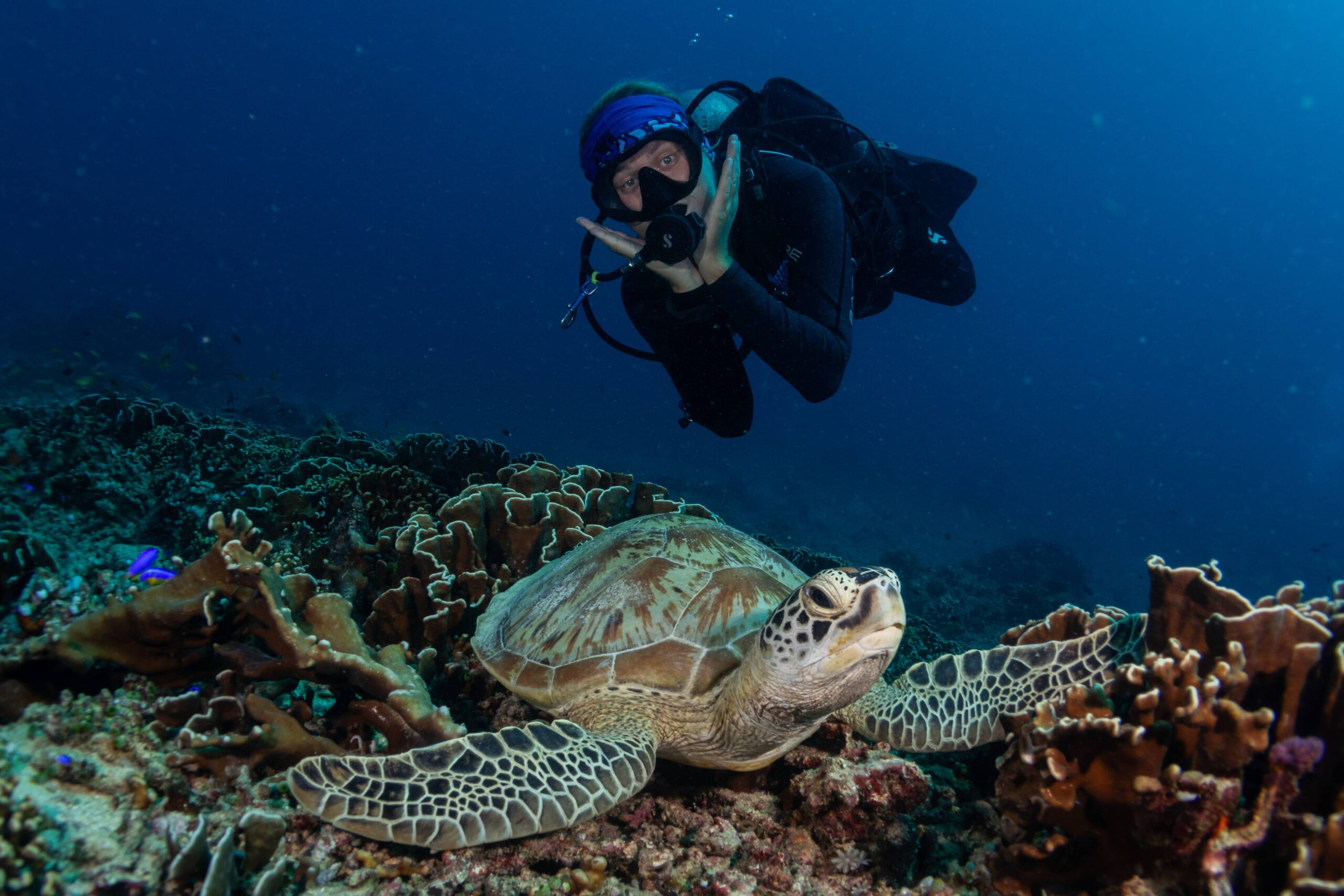
If you’re coming to Bohol, chances are scuba diving or snorkeling is high on your list. Good news: many dive shops around Panglao and Anda are taking sustainability seriously.
Look for operators that:
Don’t feed or touch marine life
Use mooring buoys instead of anchors
Offer reef cleanups or conservation projects you can join
Brief their guests about proper underwater behavior before every dive
If a dive shop tells you not to chase turtles for selfies, that’s not being boring, that’s being awesome.
Say No to Whale Shark Feeding
You’ve probably heard of whale shark tours in the Philippines where the gentle giants are fed to keep them around. It might sound cool at first, but feeding wild animals messes with their natural behavior and migration patterns.
If you want to see whale sharks the right way, join a responsible operator in places where encounters happen naturally, without bait or feeding. It might take more patience, but trust me, seeing one in the wild feels ten times more magical when it’s real. We go deeper on this in our guide to how to swim with whale sharks in Bohol the ethical way.
Reef-Safe Sunscreen is Your New Best Friend
You know that beautiful reef full of fish and corals? Regular sunscreen hates it. The chemicals in most sunscreens (especially oxybenzone and octinoxate) damage coral reefs, even in tiny amounts.
Grab a reef-safe sunscreen instead. Look for mineral-based ones with zinc oxide or titanium dioxide. Bonus: they’re also better for your skin.
And if you really want to go the extra mile, wear a rash guard so you use less sunscreen in the first place.
Bring a Reusable Bottle and Skip the Plastic
Bohol’s beaches are stunning: let’s keep them that way. Plastic bottles and straws might seem harmless, but once they blow into the ocean, they’re basically eternal.
Most cafes and dive shops now have refill stations, so bring your own bottle and refill as you go. You’ll save money and the ocean will thank you.
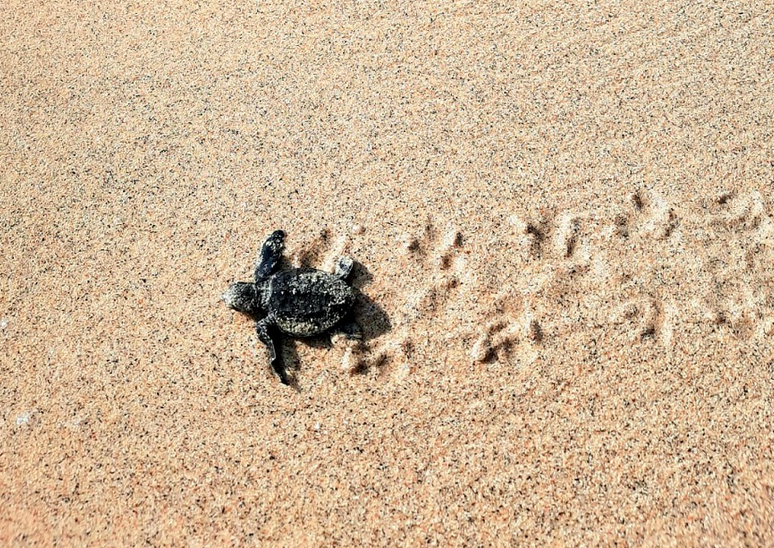
Also, if you can, skip plastic bags and takeaway boxes. You can always carry a small tote or reusable container for snacks and souvenirs. And remember: say no to straws and save the turtles!
Support Local Businesses
One of the easiest ways to travel sustainably? Spend your money where it matters.
Stay in locally owned guesthouses, eat at family-run restaurants, and book tours through local operators. You’ll not only get better stories and warmer smiles, you’ll also make sure your pesos stay in the community.
Try local dishes like kinilaw, adobo, or ube ice cream, and you’ll quickly learn that sustainability tastes delicious.
Leave Nothing But Footprints (and Maybe Sand in Your Bag)
When you visit waterfalls, beaches, or dive sites, take everything you brought with you. Trash bins can be rare in remote spots, so always keep a small bag for your rubbish.
And no, that pretty shell on the beach doesn’t need a new home in your luggage. It already has one.
Eco-Friendly Bohol FAQ
How do you choose an eco-friendly dive shop in Bohol?
Look for operators around Panglao and Anda that use mooring buoys instead of anchors, never feed or touch marine life, brief guests on underwater behaviour before each dive, and run or join reef cleanups and conservation projects.
Is whale shark feeding in the Philippines ethical?
No. Feeding wild whale sharks to keep them near boats disrupts their natural behaviour and migration. The ethical option is a responsible operator in places where encounters happen naturally without bait or feeding.
What sunscreen should you use in Bohol?
Use reef-safe mineral sunscreen with zinc oxide or titanium dioxide, and avoid oxybenzone and octinoxate, which damage coral even in small amounts. Wearing a rash guard also cuts how much sunscreen you need.
How can travelers reduce plastic waste in Bohol?
Bring a reusable bottle and refill at the many cafe and dive shop refill stations, skip plastic bags, straws and takeaway boxes, carry a small tote or container, and take all your rubbish with you from remote beaches and waterfalls.
Final thoughts
Being eco-friendly in Bohol isn’t about giving up fun, it’s about being a little more thoughtful while still living your best island life. Dive responsibly, skip the plastic, and support the locals who keep this place so special.
Because when you take care of Bohol, it takes care of you right back.